

The Verdict: Which brands do Gen Z actually trust?
Gen Z don’t just form opinions about brands. They publish them.
Reviews, threads, comment sections, reaction videos. The conversation is constant, public, and unforgiving. And it revolves around a surprisingly simple question: is this brand actually credible?
That question sits at the heart of what we call The Verdict, one of six conversation types tracked in the Gen Z Brand Radar. This is where Gen Z go to find out whether a brand is actually good, trustworthy, and delivers on what it promises.
We analyzed millions of organic signals across social platforms, search behavior, forums, and digital communities to identify which brands are earning genuine trust with Gen Z.
What the data shows is that trust isn’t built through visibility or marketing spend. It’s built through proof. And Gen Z are very good at spotting the difference.
What The Verdict measures
The Verdict captures moments where Gen Z are deciding whether to trust a certain brand.
These posts usually center on credibility, transparency, ethics, and product performance. Sometimes they’re positive. Sometimes they’re skeptical. Often it’s a mixture of both.
Think TikTok reviews that dissect skincare claims line by line. Reddit threads debating whether a brand’s sustainability messaging holds up under scrutiny. Comment sections where people compare experiences and reach a collective verdict.
This is where audiences become judge and jury. A brand might dominate hype cycles. It might rack up impressions and influencer mentions. But if it fails in The Verdict conversation, that momentum tends to collapse faster than it was built.
The most trusted brands for Gen Z in the US
In the United States, The Verdict rankings reveal a mix of global platforms, lifestyle brands, and beauty companies that consistently earn positive discussion.
The top 30 most trusted brands among Gen Z in the US are:
| Rank | Brand | Rank | Brand |
|---|---|---|---|
| 1 | Nike | 16 | Sephora |
| 2 | Apple | 17 | Converse |
| 3 | YouTube | 18 | Uniqlo |
| 4 | Amazon | 19 | Patagonia |
| 5 | TikTok | 20 | Discord |
| 6 | Spotify | 21 | Gymshark |
| 7 | Adidas | 22 | Aritzia |
| 8 | Target | 23 | Duolingo |
| 9 | Starbucks | 24 | Hulu |
| 10 | Glossier | 25 | Lululemon |
| 11 | Rare Beauty | 26 | Liquid I.V. |
| 12 | Netflix | 27 | Miu Miu |
| 13 | CeraVe | 28 | Roblox |
| 14 | The Ordinary | 29 | Poppi |
| 15 | Walmart | 30 | New Balance |
The UK picture tells a different story
Across the Atlantic, the rankings shift noticeably. UK Gen Z lean more heavily toward purpose-driven brands and locally credible names.
The most trusted brands among Gen Z in the UK are:
| Rank | Brand | Rank | Brand |
|---|---|---|---|
| 1 | Lush Cosmetics | 16 | Superdry |
| 2 | Dr. Martens | 17 | Primark |
| 3 | BrewDog | 18 | E.l.f. Cosmetics |
| 4 | The Ordinary | 19 | Charlotte Tilbury |
| 5 | Monzo Bank | 20 | Tesco |
| 6 | Gymshark | 21 | Walkers Crisps |
| 7 | ASOS | 22 | Spotify |
| 8 | Tetley Tea | 23 | John Lewis |
| 9 | The Body Shop | 24 | Apple |
| 10 | Glossier | 25 | Oatly |
| 11 | Nike | 26 | Barbour |
| 12 | H&M | 27 | M&S |
| 13 | ASDA | 28 | Uniqlo |
| 14 | Zara | 29 | Le Creuset |
| 15 | The North Face | 30 | Birkenstock |
Four brands, four paths to trust
Look across the top performers and one thing becomes clear: there’s no single formula for earning Gen Z trust. The brands that do it well tend to take very different routes to get there.
Here are a few that stand out:
Lush Cosmetics: Values you can see
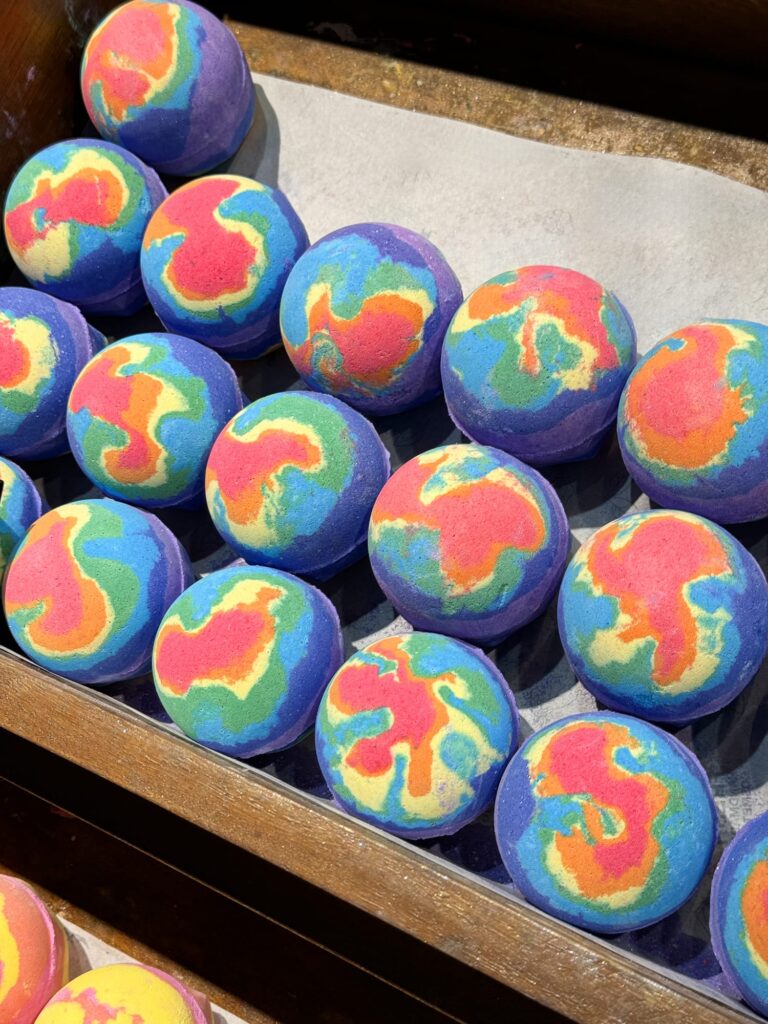
Lush ranks #1 in the UK Verdict conversation, with 85% positive sentiment. That’s not an accident. The brand has spent years building a reputation around ethical sourcing, cruelty-free products, and visible activism. Those positions invite debate, but they also generate evidence. Customers know where Lush stands.
When it comes to trust, that clarity is powerful. People may not agree with every campaign. But they rarely question what the brand believes, and in The Verdict conversation, consistency is everything.
TikTok, May 2025“Their commitment to refillable packaging and ethical sourcing is why I trust them.”
Patagonia: The strength of long-term proof
Patagonia appears in the US Verdict rankings with one of the highest positive sentiment scores in the entire Gen Z Brand Radar at 85.1%.
That reputation hasn’t come from recent campaigns. It’s the product of decades of behavior. Repair programs, resale initiatives, transparent environmental commitments. Real evidence that people can point to.
When sustainability debates surface on Reddit or TikTok, Patagonia often becomes the reference point. That’s what happens when a brand’s reputation becomes social shorthand.

Instagram, September 2025“It feels good to support a brand that genuinely cares about the environment.”
Rare Beauty: Where identity meets product performance
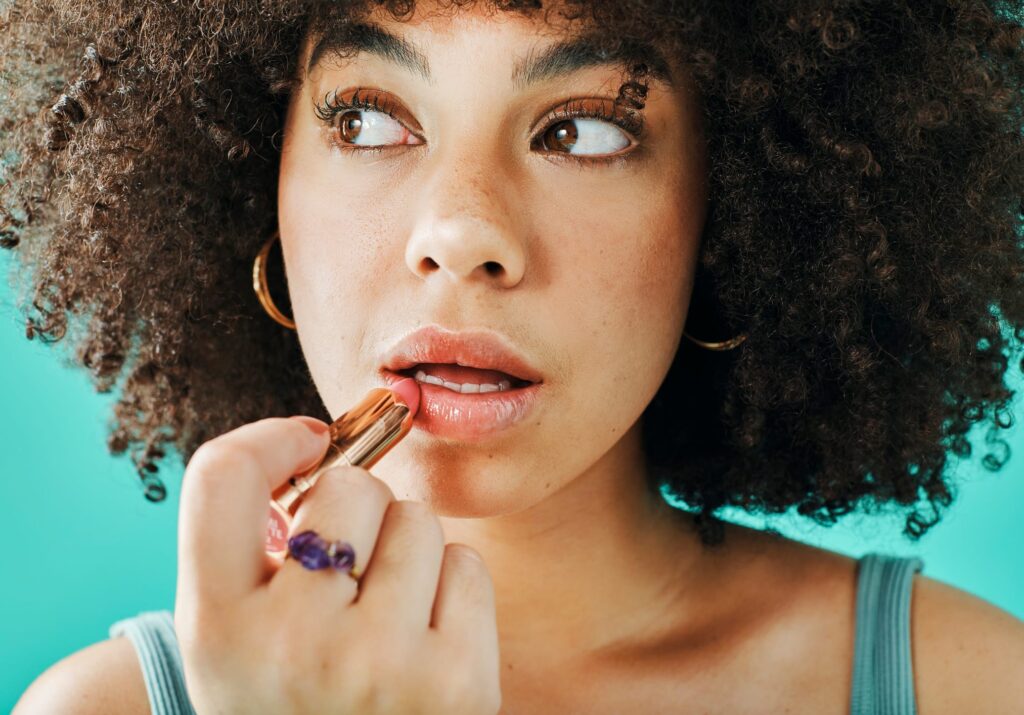
Rare Beauty ranks #11 in the US Verdict list with 84.3% positive sentiment, the second highest score within the US verdict conversation. Part of that reputation stems from its founder, Selena Gomez, but the discussion goes deeper than celebrity association.
It’s linked to the brand’s ongoing investment in mental health initiatives through the Rare Impact Fund, alongside reviews that consistently highlight product performance, inclusive shade ranges, and charitable work.
That combination of identity, quality, and visible action helps Rare Beauty hold up under scrutiny, which is exactly what The Verdict tests for.
TikTok, August 2025“I trust Rare Beauty because you can see real results, not just influencer hype.”
Gymshark: Credibility through community
Gymshark appears in both the US and UK rankings, which is notable for a brand without the heritage of Nike or Adidas. Its reputation was built largely through online fitness communities, where influencers, athletes, and everyday gym creators share experiences openly and honestly.
That kind of peer-driven conversation is risky. Brands lose control of the narrative. But when the product holds up and the brand stays genuinely close to its audience, the effect is more powerful than any paid campaign.

TikTok, June 2025“Gymshark feels like it’s built for people like me, not just athletes.”
Why proof beats positioning
There’s a clear pattern across every brand that performs well in The Verdict conversation: they show their work. Transparent ingredient lists. Repair schemes. Honest responses to criticism. Clear environmental information. These things travel through peer conversation in ways that polished brand messaging simply doesn’t.
The data backs this up. Gen Z trust in influencer-driven reviews has fallen 14%. Peer, unsponsored recommendations have risen 24%. “Is it worth it?” style trust-test content has grown 18% year on year in the UK, with TikTok as the primary driver.
Brands that consistently win The Verdict conversation tend to share a few traits:
- Visible transparency: Brands like Patagonia and Lush don’t just talk about sustainability. They show the evidence, from sourcing information to repair programs and public reporting.
- Open feedback loops: Companies that respond publicly to criticism often strengthen credibility rather than weaken it. Silence tends to raise more suspicion than mistakes.
- Real customer voices: Peer reviews and user-generated content consistently carry more weight than polished influencer endorsements.
- Policies that prove intent: Repair schemes, resale initiatives, and refill systems signal long-term commitment in ways that campaigns rarely can.
Marketing teams sometimes try to simulate this effect with carefully crafted authenticity. Gen Z audiences tend to spot that quickly. They prefer brands that feel honest, even when the story is complicated. Brands that admit mistakes, interestingly, often recover faster than those that go quiet.
A conversation that never ends
The most important thing to understand about The Verdict conversation is that it never really ends. Brands aren’t judged once. They’re evaluated again and again. Every day.
Every product launch, partnership, or public decision becomes new evidence. Every campaign is assessed against the track record. Every response to criticism is weighed against past behavior.
That can feel uncomfortable for brand teams used to controlling the message. But it also creates real opportunity. A brand that steadily builds evidence of good products, honest communication, and genuine values can accumulate trust over time. Slowly at first. Then faster, as positive stories circulate and compound.
Reputation, in other words, works a lot like interest. The brands in these rankings have been making deposits for years. The returns are showing up in the data now.
Download the full Gen Z research report
The Gen Z Brand Radar includes:
- Complete rankings: Global Top 100, US Top 80, UK Top 68
- Scoring across six conversation types for every brand
- Analysis of what’s driving the winners and what’s missing
- US and UK deep dives with brand-level case studies
- Methodology and data sources
Explore our Gen Z research series








How we conducted this Gen Z research
The Gen Z Brand Radar uses our Organic Intelligence methodology, which combines:
- Built for this study. Over 50 million organic signals from unprompted public conversation across TikTok, Instagram, Reddit and Discord. What Gen Z says when no one’s asking.
- Custom AI models. Brands scored on a composite of conversation volume, sentiment and momentum within each conversation type. Ranked by Strength (average percentile score, weighted 60%) and Breadth (number of conversation types a brand appears in, weighted 40%).
- Human insight consultancy. Our team interprets the patterns and translates them into strategic recommendations.
This approach surfaces signals traditional research misses. Social listening requires knowing what to look for. Surveys capture responses to your questions, not organic behavior. Our Gen Z research captures what’s actually happening.